





CIS vs. Western Teams in Affiliate Marketing: Different Mindsets, Same Global Game
Step onto the floor of SiGMA in Lisbon or Affiliate World in Dubai, and the scale of the affiliate industry becomes immediately tangible — rows of booths, back-to-back meetings, and a constant flow of conversations in dozens of languages.
Within that global mix, Russian-speaking teams are easy to spot. They move fast, negotiate directly, and operate with a level of confidence that suggests they’ve done this many times before.
So what actually differentiates CIS teams from their Western counterparts — and why do events like MAC in Yerevan feel like a focal point for this entire ecosystem?
Built Under Pressure: How the CIS Approach Was Shaped
One of the core differences lies in how teams approach deals from the very beginning.
As Affbuddha puts it:
“You can see the contrast right away. Western teams tend to start with formalities — KPIs, contracts, approvals. In the CIS, it’s more about trust, testing, and proven results.”
This mindset didn’t emerge by accident. The CIS performance marketing scene developed in a far less stable environment — limited infrastructure, regulatory uncertainty, and fewer available resources.
Back in the early 2000s, forums, niche communities, and early iGaming projects became testing grounds where specialists learned by doing. Trial-and-error wasn’t a strategy — it was the only option.
That background still defines the region today. CIS teams are known for:
- strong analytical thinking
- in-house tools (trackers, anti-detect solutions)
- heavy automation of workflows
According to AffiliateFix, a significant share of top arbitrage teams working with global offers have Russian-speaking roots — an indication of how influential this “school” has become.
Different Speeds, Different Priorities
The gap between CIS and Western teams is often most visible in communication style.
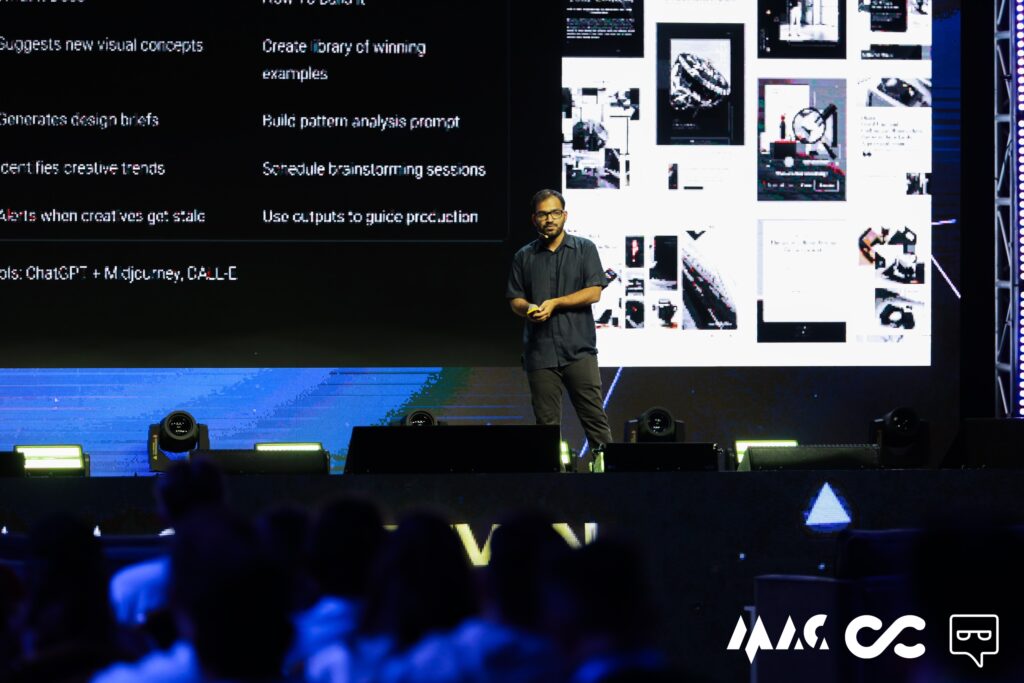
Ashish Gaba, an international media buying consultant, explains:
“CIS teams are very direct and focused on outcomes. They want clarity on numbers, timelines, and terms right away. Western companies — especially in the US and UK — tend to invest more time in relationship-building and structured processes.”
Neither approach is inherently better, but they operate on different timelines.
Erdem, CEO of ROYAL PARTNERS, highlights another contrast:
“Western teams protect work-life balance — once the day ends, communication pauses, and everything is documented. CIS teams are more flexible and tend to make decisions much faster.”
In a market where speed directly affects profitability, this difference matters. With the global iGaming and affiliate sector valued in the tens of billions, even small delays in Tier-1 markets can translate into missed revenue opportunities.
From Regional Preence to Global Integration
What was once a local phenomenon has fully transitioned onto the global stage.
Today, CIS teams are regular participants at major international events:
- SiGMA (Lisbon)
- Affiliate World (Bangkok, Dubai)
- iGB Affiliate (London)
- Web Summit
These conferences have become more than networking spaces — they function as accelerators.
As Ashish Gaba notes:
“Events compress months of relationship-building into a few days. Informal conversations often lead to the most valuable partnerships — far beyond what cold outreach can achieve.”
Structure vs. Agility
At a strategic level, the contrast between CIS and Western teams often comes down to flexibility versus structure.
CIS teams are frequently described as aggressive experimenters:
- quick to test unconventional ideas
- comfortable operating in uncertain environments
- ready to pivot instantly
Western teams, on the other hand, rely more on established systems:
- CRM workflows
- detailed reporting
- pre-validation before scaling
Affbuddha summarizes it this way:
“The main advantage of CIS teams is speed — both in decision-making and in how information moves through horizontal networks.”
This becomes especially visible at conferences, where CIS teams often arrive with a clear plan: target booths, scheduled meetings, and predefined testing strategies — all executed within a tight timeframe.
The Power of Community
Another defining factor is the strength of internal networks.
Within the CIS ecosystem, knowledge spreads quickly through:
- private chats
- closed communities
- informal meetups
As Affbuddha explains:
“People rely on their own network. New tools and approaches are tested internally first — and when they work, they scale globally.”
This horizontal structure allows ideas to move faster than in more formalized environments, giving CIS teams a practical edge in execution.
Why MAC Stands Out
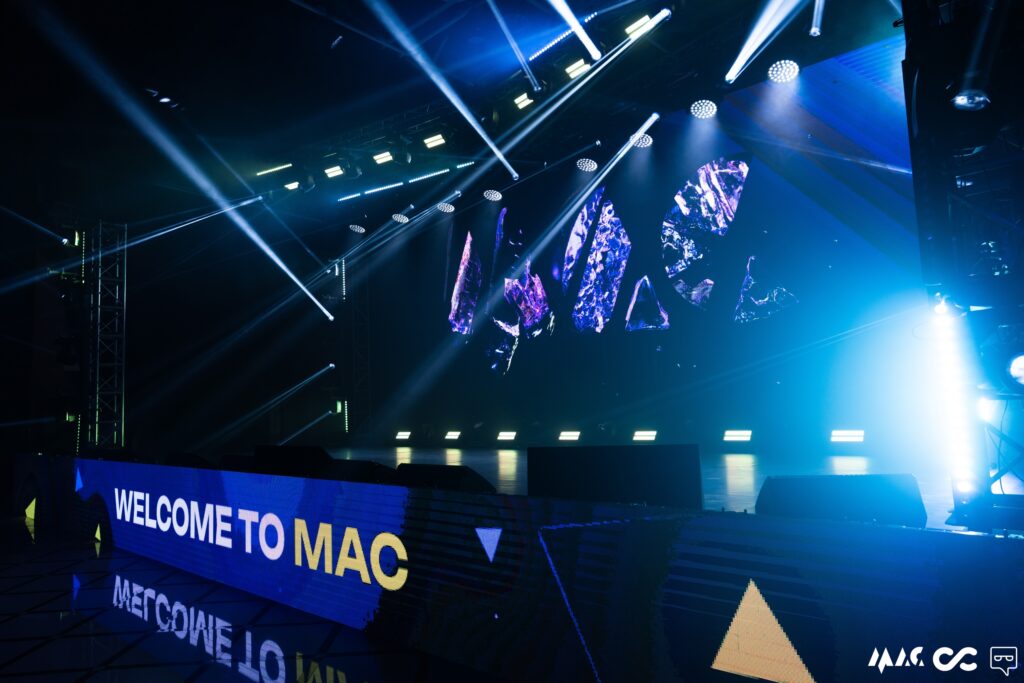
Among all industry events, MAC in Yerevan occupies a unique position.
With thousands of attendees, hundreds of companies, and a strong mix of CIS specialists and international businesses, it acts as a bridge between two worlds.
Here, expertise quickly turns into action:
- conversations lead directly to deals
- testing transitions into live traffic
- networking converts into revenue
Erdem puts it simply:”The impact of in-person meetings at MAC isn’t something you can measure through social media — it shows up immediately in deals.”
How Deals Actually Happen
What truly sets CIS teams apart on conference floors is execution speed.
A typical workflow looks like this:
- identifying priority partners in advance
- meeting decision-makers directly
- aligning technical and launch details on the spot
- moving quickly into testing and scaling
For Western teams, similar processes often involve longer chains of communication — emails, approvals, and internal coordination.
As Ashish Gaba notes:
“The best results come when both sides understand each other’s pace. Conferences give a rare chance to align quickly — and that benefits teams ready to act.”
A Global Force, Not a Regional Trend
CIS teams are no longer emerging players — they are fully integrated into the global affiliate ecosystem.
Their strengths are clear:
- speed
- adaptability
- strong peer networks
Events like MAC highlight this transformation in real time, bringing together talent, technology, and business opportunities in one place.
The result is a model of performance marketing that doesn’t just compete globally — but increasingly influences how the industry operates. It’s also the world our own Russian marketing agency team operates in every day.
🤝 Meet the Teams Shaping Global Affiliate Marketing
As an official media partner of MAC’26, ICODA brings you exclusive insights into the strategies driving the world’s top affiliate teams — CIS and Western alike.
Join thousands of performance marketers, media buyers, and iGaming professionals at MAC’26 in Yerevan. Use code ICODA at checkout on yerevan.affiliateconf.com for 10% off GOLD and VIP tickets.
Share with


Rate the article