
Brand Protection for iGaming
How we pushed a crypto casino’s copycat out of Google’s SERP in 32 days —… How we pushed a crypto casino’s copycat out of Google’s SERP in 32 days — and kept it out for a year.
Categories:
Executed
Campaign timeline
A fake copy of a crypto casino was harvesting our client’s traffic in Pakistan, India and Bangladesh, and then it stopped paying its players. The scale of the harvest: in Pakistan alone the copy’s brand name gets searched around 160,000 times a month, which is up to 104,000 organic visits, and part of those people were landing on the copy instead of the original. We cut off its search: 530 assets in 32 days, ads placed above its own website, and removal requests filed with Google and Bing. The brand parasite is out of the SERP, and a year later our materials still hold the results for its name.
Project Goals
the brand parasite out of search results
the copy off the first page for its own queries and put materials there that tell the player where they have actually landed.
the copy’s branded traffic
above the clone’s website on its own branded query and warn the player before the click.
🎯 The Challenge
The client found a copycat platform with an almost identical name: the interface, site logic, bonus system and marketing copy were all cloned.
The copy was buying traffic in the same three GEOs, and then it stopped paying players: its payment channels froze and withdrawals stalled. Complaints from scammed players spilled into search and social media, and some of them landed on the original, because players saw a similar name and the same interface. The client was losing branded traffic and trust at the same time.
The client framed the task like this: not articles and not reports, but pushing the parasite out of search. A player who googles the copy has to see on the first screen that this is a clone with broken payouts. One month to do it, with the first publications needed the next day.
🚀 Our Approach
1. Takedown: Removal Requests to Google and Bing for the Copy’s Domain
This is where we started. Content pushes a page down, a complaint takes it out altogether, so the first move was monitoring: it collected the evidence on the copy’s domain and filed removal requests with Google and Bing across every GEO where the copy was buying traffic. Articles and ads went out in parallel after that.
- Fake brand pages in search results
- Typosquat domains with misspelled brand names
- Swapped buttons on review sites
- Affiliate links sending the player to a rival
- Hacked sites running cloaking
- Parasite SEO on third-party domains
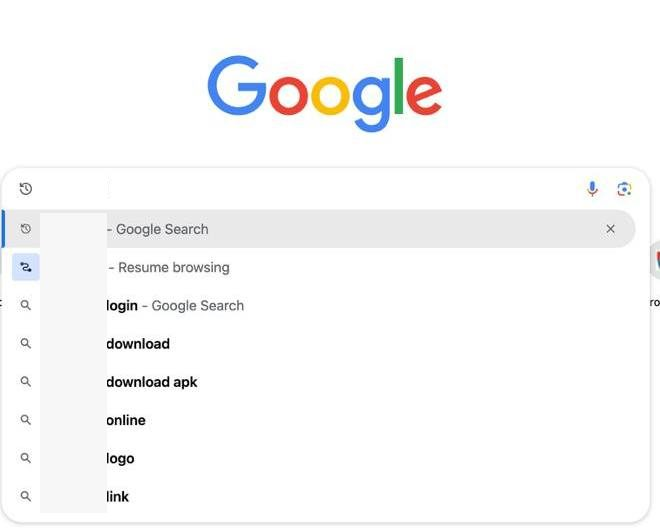
- Daily scan of Google and Bing. We check the client’s branded queries in every GEO, not only in the home market: a copy often lives in one country’s SERP and stays invisible from the office.
- A browser crawler collects the evidence. The robot opens the page as a live user and records where the button leads and what is served under cloaking. Every finding gets a verdict.
- A package per violation. Screenshots, redirects, interface comparison, domain data. Without that package a complaint comes back rejected.
- Filing removal requests with Google and Bing. Then we keep resubmitting the rejected ones and watch whether the page comes back on another domain.
- Client report. What we found, what is down, what is in progress, which domains appeared over the week.
A legal takedown through the registrar and the courts takes months. A complaint to search closes a page in days, so we start there and bring the lawyers in alongside.
2. Strategy: Off the Branded Query, Onto the Long Tail
We kept the branded query for Google Ads only. Organic moved to compound queries where the SERP is loose and volatile: “[clone] scam”, “[clone] vs [original]”, “is [clone] legit”, “[clone] withdrawal problems”. On queries like these a new asset reaches the top in weeks, not in half a year.
By the end of the fourth week two of our guest posts were sitting in Google’s top 10 for “[clone] scam”.
3. PR Publications: Indexable Media in 12 Days
The first publication went live 48 hours after the brief: Analytics Insight. Then Coin Gabbar (two pieces), CryptoHindiNews (two), BusinessWorld.in, Bitcoinworld, TechBullion, CoinMarketCap Community, Binance Square. Investing.com came out on day seven, plus two reprints on aggregators.
The texts stayed on verifiable ground: a side-by-side of the two interfaces, screenshots of reviews with blocked withdrawals, descriptions of specific ways players lost funds. We put the original’s name in the headline next to the copy’s name, so a query about the copy would lead the player to the client.
4. Guest Content: Batches of 5 to 10 Publications a Day (97 Articles)
The order covered 100 sites with DR 30+. Every article was reinforced with backlinks anchored on the copy’s name, up to $200 per article. Headlines covered different intents: comparison, exposé, warning, and a how-to on spotting a clone before you deposit.
5. UGC Comments: Quora, Reddit, YouTube, Forums
On Quora we took threads built around specific questions: “What is the [clone]?”, “Is [clone] a scam?”, “Is [clone] a safe crypto casino or a fake copy?”. On Reddit we placed 120 comments, 70% inside existing threads and 30% under new posts, with a GEO focus on India, Pakistan and Bangladesh. Then we brought in YouTube and niche forums.
6. YouTube Videos: Two Channels With a South Asian Core Audience
We picked two channels, gave them one brief and signed off the thumbnails: the first creator put the original’s logo on the preview instead of the copy’s, and that had to be redone. All 6 videos were live by the end of week three.
7. Google Ads: Intercepting the Copy’s Branded Query
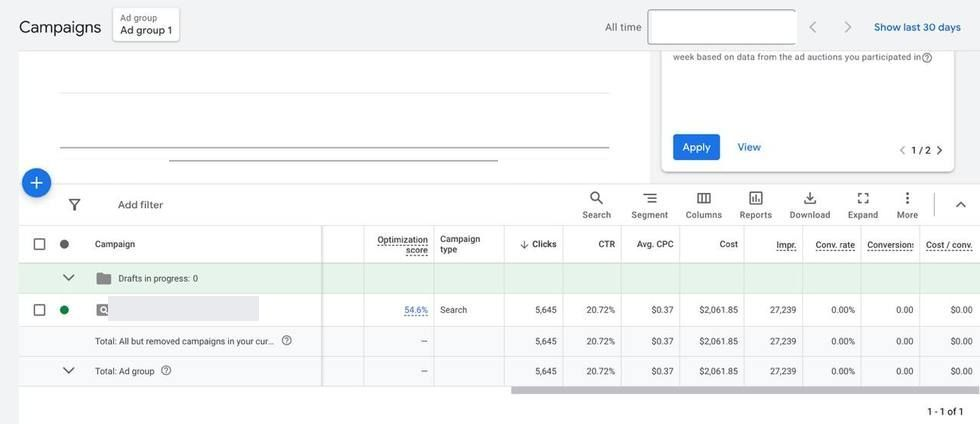
$150 a day, $2,062 spent, 27,239 impressions, 5,645 clicks at $0.37 each. The warning ads ran in Pakistan. The client wanted proof of delivery, so we sent screen recordings with the IP address inside the target GEO, so they could see the SERP through the eyes of a Pakistani player.
🕓 Timeline
- Start (48 hours): brief, quote, first publication in tier-1 media
- Week 2 (12 days): all 10 PR publications live, 124 comments
- Month 1 (32 days): 97 guest posts, 6 videos, 393 comments, top 10 for “scam”
✅ Results
| Metric | Actual | Status |
|---|---|---|
| Guest publications | 97 | done |
| PR in indexable media | 10 + 2 reprints | done |
| YouTube videos | 6 | done |
| Comments: Quora, Reddit, YouTube, forums | 393 | done |
| Reviews through moderation | 22 | done |
| Assets in top 10 for “[clone] scam” | 2 | done |
| First publication in tier-1 media | 2 days | done |
| Clicks on the copy’s branded query | 5,645 | done |
| Google Ads spend | $2,062 | done |
| Parasite’s domain in the SERP | pushed out | done |
| Our assets ranking for its brand | holding 12 months | done |
📈 Conclusion
530 assets, 6 videos and ads in Pakistan were the instrument, not the result. The result is one thing: a player typing the copy’s name landed on a breakdown of its scheme instead of its cashier. A year on, the copy is out of the SERP and our materials hold the results for its brand.
A clone takes trust from a brand, not traffic: complaints from its players land on the original, because the player does not tell the two sites apart. So brand protection is measured not in positions, but in what a person sees on the first screen when they type the name.
What the Client Got
- The brand parasite is pushed out of the SERP, its branded results rewritten
- 5,645 clicks intercepted before the player reached the copy’s site
- 109 publications, 10 of them in indexable media
- 393 comments in the threads a player reads before depositing
- The result has been holding for 12 months with no extra spend
Frequently Asked Questions (FAQ)
The target of the campaign was copying the client’s product and not paying its players. The task was brand protection in the literal sense: separating two brands in the mind of a user who confuses them.
Pages where the violation is visible and provable: a brand copy, a typosquat domain, a swapped button, cloaking, parasite SEO on someone else’s domain. The clone’s own website is not removed by a complaint to search, that is work for lawyers with the registrar and the host.
A one-month package: 100 guest articles on DR 30+ sites, 100 reviews, 6 videos, 500 comments, 10 PR publications, backlinks up to $200 per article, Google Ads from $150 a day. The quote depends on the GEOs and the number of platforms.
First media publication: 2 days. Indexing of new content in Google: up to 2 weeks. Top 10 for compound queries: 3 to 4 weeks. Branded results: longer than a month.
Collect the evidence of copying (interface screenshots, texts, domains), check whether the clone is still paying out, and put the facts into search while the lawyers work in parallel. A legal takedown runs for months, search answers in weeks.
Testimonials






Yevhen Nehuliayev
LinkedIn Profile

Valerii Brizhatiuk
LinkedIn Profile

Sergei Beliaev
LinkedIn Profile

Laura Geng
LinkedIn Profile

Bahram Ahmedzade
LinkedIn Profile

Aaron Tsai
LinkedIn Profile

Irene C.
LinkedIn Profile

Shenshen Hu
LinkedIn Profile

Hannah Kang
LinkedIn Profile
James O'Connor
LinkedIn Profile

Dmitriy Dervoed
LinkedIn Profile

Vid David Mihelic
LinkedIn Profile
Jia Yung
LinkedIn Profile

Charlie Bussat
LinkedIn Profile

Terry Na
LinkedIn Profile

Arabdha Sudhir
LinkedIn Profile

Henning Rokling
LinkedIn Profile
Feel free to contact us
We are the team of experts that will support your business at all stages